Anyone who has dined on a Korean set meal in Seoul will likely recall the sight of a table brimming with side dishes. When a set arrives, kimchi, jeon, namul, and braised dishes line the table before the chopsticks even touch the food.
Centuries ago, a similar table stood before the king of Joseon. The difference was that each dish was accompanied by its place of origin, the kitchen, and the serving staff. Even the placement of the rice bowl and who tasted a bite first had designated spots.
The drama Dae Jang Geum sparked curiosity about royal cuisine for many. The kitchen on screen is a whirlwind of activity. The real surasang lacks the competition, but its rhythm is just as clear: first understand the king’s daily meal, then see how today’s Seoul can get close to it.
Want to see this table clearly? The king’s table is recorded like this: twelve plates are side dishes, while rice, soup, kimchi, and sauces are counted separately; in front lies a large round platter, with a smaller round platter on the right and a lower tray behind; gimi sanggung tastes first, then surasang sanggung serves. Gyeongbokgung Saenggwabang offers tea and snacks, and Korea House presents a modern set menu based on royal court cuisine and the two‑course meals.
Data updated: 2026 10 21.
From the palace walls of Hanyang, discover the king’s daily surasang table
Hanyang, the historic capital of Joseon and today’s Seoul, treated its monarch to meals far more elaborate than any household’s. It wasn’t just the number of dishes; from preparation to service, dedicated sanggung and gimi sanggung oversaw every detail, turning each royal repast into both a flavor experience and a ceremonial rite.
The term “surasang” refers to the royal king and queen’s meals, and the surasang table is the formal setting for the royal banquet. The link Surasang Table explains that, aside from days when medicinal broth is served, a clear porridge or rice soup is presented first before the official morning meal. The entry Royal Court Cuisine notes that the morning surasang is served at around 10 a.m., while the evening surasang is offered between 6 and 7 p.m., often in the grand halls of Gyeongbokgung where Dae Jang Geum’s legendary recipes still inspire chefs at Saenggwabang and Korea House.
How lavish is a twelve‑dish royal banquet? Rice and soup aren’t even counted.
What most people recall as the “twelve‑dish” set, in Korean called 12-cheop-bansang, refers to twelve side dishes. White rice, red‑bean rice, soup, kimchi and sauces are served separately, and the table also includes steamed items and a pot. What the eyes see is often more than twelve plates. The side dishes change with the seasons, so the menu isn’t the same every day. It evokes the grandeur of a surasang spread once prepared for the sanggung in the royal kitchens of Gyeongbokgung, where Dae Jang Geum would oversee the arrangement.
| Roles at the table | Typical contents | How to understand |
|---|---|---|
| Rice | White rice, and red‑bean rice cooked in red‑bean broth | Two types of rice, interchangeable |
| Soup and hot dishes | Kelp broth, beef‑bone broth, steamed items, pot | Hot items are brought from another table to the main table |
| Twelve side dishes | Cooked vegetables, raw salads, grilled, pan‑fried, braised, marinated, meat and fish | Cooking methods alternate; contents vary with the season |
| Accompaniments | Kimchi, soy sauce, vinegar sauce, mustard sauce | Used for pairing, counted separately from the twelve dishes |
One bite of white rice with a refreshing side, then a switch to grilled fish, followed by a sip of hot broth. The portions aren’t necessarily large, but the flavors keep changing. What makes today’s Korean set meal pause‑worthy is often this continual bite‑by‑bite variation. It feels like dining at Saenggwabang, a modern Korea House that celebrates such evolving flavors.
Why is the royal banquet arranged on three tables?
“Royal Court Cuisine” describes the full set as two lacquered round trays plus a lacquered wooden book‑case tray. The large round tray sits before the king, the smaller round tray to the right, and the book‑case tray behind. White rice and kelp broth are placed on the large tray; red‑bean rice and beef‑bone broth start on the book‑case tray, brought forward when a change is desired. Hot broth and the pot are also moved from the book‑case tray to the main table.
The king and queen sit at separate tables, with their belongings divided, each having their own surasang, tended by a sanggung and a gimi sanggung. The red‑lacquered round table and bronze bowls on display today are reconstructions based on later research, allowing visitors to see what this arrangement looked like.
All the dishes are on the table, so why does someone still take a bite first?
When the plates arrive at the table, someone still takes a tasting bite. This role is called the gimi sanggung. According to the classic “Surasang”, before the king begins his meal, the gimi sanggung first performs a “gimi” – a taste test – and then the surasang sanggung serves the king. I once watched a lively demonstration of this ritual at Gyeongbokgung, where actors portraying Dae Jang Geum showed the precise tasting ceremony.
The “Palace cuisine” record provides even more detail: the tasting is usually carried out by a senior sanggung who checks the food on a small round platter; the surasang sanggung stands beside the large platter, lifts the bowl lid in front of the king, and presents the dishes. The tasting is a verification step in the royal banquet process, a formal ceremony. Not every sanggung in the palace is cooking: some work in the kitchen, others deliver, lift lids, or taste, with duties clearly divided. Today, visitors to Saenggwabang or Korea House can even sample a modern version of this historic tasting.
Where Do the Fish and Rice on the King's Table Come From?
Beyond the walls of Gyeongbokgung, rice, fish, dried goods, and seasonal produce travel to the central hub through the surasang, then are allocated into the palace each day. The eight provinces each have their own specialties, so the king’s table can feature flavors from many regions.
Jinsang explains that, in name, tributes are presented by province, but in reality the burden is shared by each county. The regulations for perishable foods are very strict; if a sanggung or gimi sanggung tampers with the process, the cost falls on the common folk. After Lee Eul promoted the Daedong Law, many tribute items could be paid in grain, though the Jinsang still collected physical goods.
Therefore that table is not only refined cuisine, as celebrated by Dae Jang Geum, but also a record of collection and transport. It gathers regional flavors, with many people carrying the loads along the way, from Saenggwabang to Korea House.
Why can a single table of dishes be as beautiful as a painting?
Korean cuisine pays close attention to the harmony of red, yellow, green, white, and black together, reflecting the yin‑yang and five‑element aesthetic of daily life. Royal court dishes also let grilled, tossed, chewy, and steamed items complement each other, much like the surasang presented by a sanggung in the historic halls of Gyeongbokgung. This perspective on traditional food shows that the colors of each meal shift with the seasons and the ingredients.
Sinseollo: A single pot delivering spectacular flair to the table
Sinseollo (Sinseollo) uses a pot with a chimney in the middle, allowing meat and vegetables to be placed all at once, keeping them warm and looking attractive. The Gujeolpan is a divided tray. Each compartment can hold vegetables, dried fruits, or jerky, each with its own flavor, waiting to be paired slowly, as you might find in a Korea House demonstration.
The twelve side dishes teach moderation. Fried, boiled, tossed, and marinated items share the same table set, so no single dish overwhelms the whole spread, as a gimi sanggung would arrange.
How the Royal Kitchen in Dae Jang Geum’s Court Was Divided Historically?
The water‑stirring beds could appear on schedule thanks to several kitchens behind them, the surasang of Gyeongbokgung palace. The classic text Gungjung Eumsik notes that each hall had its own duties.
- Naesoju-bang (inner cooking kitchen) handled the early‑morning and evening water‑stirring, as well as the side dishes that accompanied the staple foods.
- Oesoju-bang (outer cooking kitchen) managed banquets, palace tea ceremonies, and birthday feasts for senior members.
- Saenggwabang (fruit room) prepared tea snacks and drinks beyond the daily water‑stirring fare: honeyed water, porridge, candied fruit, pickled vegetables, tea treats, rice cakes, and the tea fruits for banquets.
No single sanggung or gimi sanggung was expected to wash vegetables and then serve the dish. For especially large banquets a temporary “cooked‑set” area could be added. The drama Dae Jang Geum dramatizes this bustle, and the multiple kitchen stations reflect the palace’s formal system.
The name Dae Jang Geum appears in historical records as also. The Jungjong Sillok recorded on 9 February 1544 that the royal physician Dae Jang Geum was granted five seok of rice and beans. The annals preserve the fact that she received the award in her capacity as a medical lady. The series’ storyline of her growth, cooking contests, and relationships grew out of that name. Visitors can see a reconstruction of this system at Korea House.
From the King's Table to Today's Korean Set Meal
Returning to Seoul's Korean set meals, the multitude of side dishes, the seasonal touches, and the elegant tableware all evoke the grandeur of a surasang (royal court) table.
The book 'Royal Court Cuisine' notes that during festivals, palace dishes were bestowed upon scholars, spreading their influence to broader culinary traditions. Regional home cooking, the two‑course meals of the Joseon era, and the ways modern restaurants operate each followed their own path. When a restaurant advertises 'royal court cuisine' today, it may be recreating dishes from historical texts, or simply arranging a lavish array of side dishes into an elegant set menu. Both approaches can be delicious. After being seated, you can first observe the cooking style: whether the pancakes are thin enough, if the vegetables retain any crunch, and whether the meat is heavily seasoned. If you are vegetarian or have allergens, let the staff know when you make a reservation. You might also hear references to the sanggung kitchens, the gimi sanggung where Dae Jang Geum once honed her skills, or see the influence of Gyeongbokgung's historic dining halls. Modern venues like Saenggwabang or Korea House continue to celebrate this heritage.
In Seoul, Where Can You Experience Royal Cuisine?
After reading, head to Gyeongbokgung; behind the eaves you’ll find the kitchen and dining area. Spend a half‑day touring the palace; if you want to sit down for a meal, check whether Saenggwabang or Korea House has availability.
Gyeongbokgung: Entering the Joseon Dynasty through Gwanghwamun
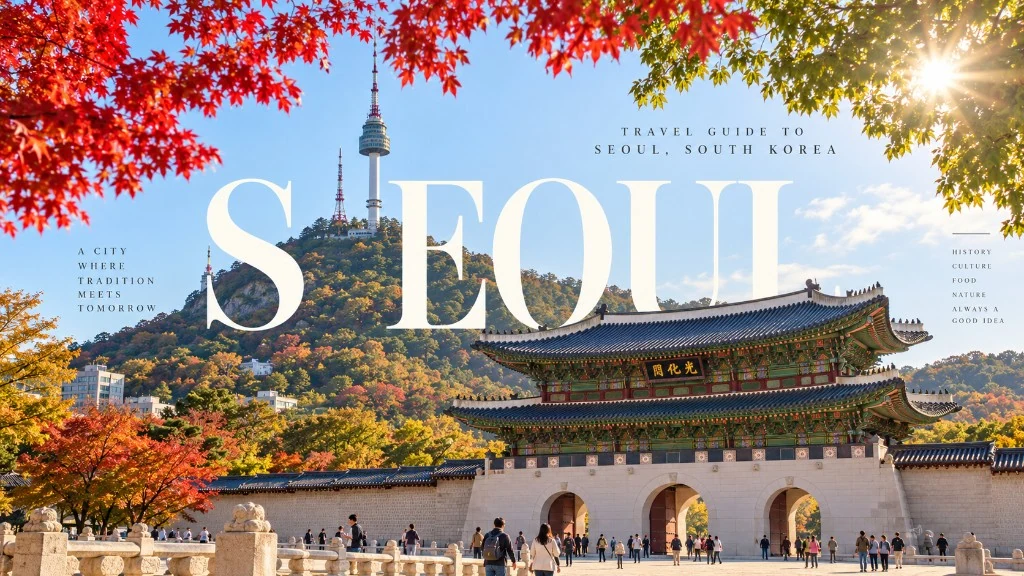
Enter through Gwanghwamun and walk along the main halls to view the royal spaces, then locate the surasang, the royal kitchen where the sanggung prepares meals. The legacy of the legendary sanggung Dae Jang Geum lives on in these royal kitchens. Some of the buildings you can now enter have been restored or rebuilt. Allocate about one and a half to two and a half hours and read the interpretive panels at a relaxed pace.
Royal Tomb Site Headquarters states that Gyeongbokgung is closed on Tuesdays. If a Tuesday falls on a national holiday or a make‑up day, it remains open and the closure shifts to the next non‑holiday. From September to October it generally operates 09:00–18:00, with entry stopping at 17:00. Ticket page lists individual tickets: foreign visitors aged 19–64 pay 3,000 won; those under 18 or over 65 enter free. Wearing a hanbok also grants free admission.
Saenggwabang: Tasting Traditional Court Snacks Inside the Palace
Saenggwabang program for the second half of 2026 runs from September 2 to October 26, with sessions at 10:00, 11:40, 14:00 and 15:40, excluding palace‑closed days. Participants enjoy court‑style tea snacks and medicinal tea, reflecting the original duties of the Saenggwabang and the gimi sanggung. Registration is by lottery: sign‑up runs from August 13 to August 20, results announced on August 24, and successful applicants can reserve a seat starting August 25. Those over 65, persons with disabilities, and national merit awardees have a separate phone reservation starting August 28. As of October 21 this round is fully booked; future travelers should watch for the next announcement.
Korea House: Experiencing Inherited Culinary Artistry in One Meal
Korea House, located in central Seoul and operated by the Cultural Heritage Administration, announced its autumn schedule on September 14 2026. Starting September 15 it serves meals Tuesday through Saturday. Lunch is offered from 12:00 to 15:00 at 120,000 won per person (170,000 won for a private room); dinner runs from 18:00 to 22:00 at 200,000 won per person (250,000 won for a private room). When booking through Catchtable, a deposit of 50,000 won per lunch guest or 100,000 won per dinner guest is required, refundable on site before the full payment. Phone: 02-3011-9200. Closed on Sundays and Mondays. The address is 10‑10, 36‑deul, Jung‑gu, Seoul, a three‑minute walk from Exit 3 of Chungmuro Station on Lines 3 and 4.
Korea House autumn notice sets the prices. Korea House frames the meal around Joseon court cuisine and the two‑course royal banquet style, presented with a modern plating aesthetic. It’s ideal for travelers who want to sense how historic flavors translate into a contemporary plate. The price is high, but for those who view traditional food as the centerpiece of their trip, it hits the mark.
| Location | What It’s Good For | How to Schedule |
|---|---|---|
| Gyeongbokgung | Viewing the palace, royal spaces and the surasang (royal kitchen) | About 1.5–2.5 hours; closed on Tuesdays |
| Saenggwabang | Tea snacks and medicinal tea | The 2026 second‑half lottery for this round has closed; the program runs until October 26 |
| Korea House | Modern set menu based on court cuisine and the two‑course royal banquet | Lunch from 120,000 won; reservation recommended |
What can your phone do to help when looking for restaurants in Seoul?
Some restaurants have menus only in Korean, and their seats are listed on Korean reservation platforms. Searching for a place, finding the entrance, translating a dish or checking allergens—your phone gets busy.
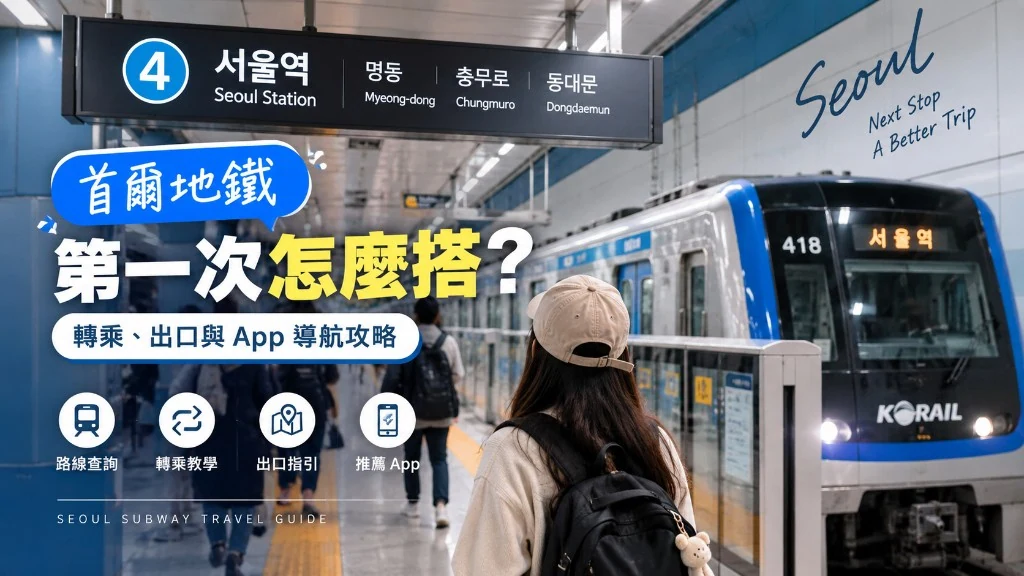
- For exits near Gyeongbokgung and Chungmu-ro, first check how to read the Seoul subway. You can also view the T-money card info T-money.
- Navigation, transit lookup, messaging— the Korea total-data eSIM is usually enough. Capture video all the way and then check the daily-type data allowance.
- Some reservation platforms require a phone number or SMS verification. Data plans provide internet access; registration follows each platform’s own rules.
Pages referenced in this article: surasang, sanggung, gimi sanggung, The Annals of King Jungjong (Dae Jang Geum), Gyeongbokgung opening hours, Gyeongbokgung ticket price, Saenggwabang, Korea House autumn announcement.
Frequently Asked Questions
Q1: What exactly is the surasang?
It is the king and queen’s formal dining table. It includes rice, soup, side dishes, and the order of tasting and serving.
Q2: Does the phrase twelve plates mean the whole table has only twelve dishes?
The twelve plates refer to side dishes. Rice, soup, kimchi and sauces are counted separately, so the table usually has more items, and the dishes change with the seasons.
Q3: Does the king eat the same twelve plates every day?
The twelve plates are a typical format, but the menu varies. On days when medicinal soup is served, the morning may start with a simple porridge instead.
Q4: Is the Jang-geum in Dae Jang Geum a real person?
Historical records mention a female physician named Dae Jang Geum. In 1544 she was granted five seok of rice and beans. The cooking contests and personal relationships are dramatized.
Q5: What is the gimi sanggung doing?
She tastes the food before the king eats. The one who lifts the lid and serves is the surasang sanggung. Their positions differ.
Q6: Do all the king’s ingredients come from the Eight Provinces?
Local specialties are sent to the palace, but the dishes still depend on season and supply. The burden of transport and taxation falls on the provinces and common people.
Q7: Why does court cuisine place such emphasis on color?
Color coordination is a traditional culinary aesthetic linked to the philosophy of yin‑yang and the five elements. The actual colors of each meal follow the ingredients and the season.
Q8: What is the relationship between modern han jeongsik and the surasang?
Han jeongsik reflects influences from the royal court, the two‑class system, and regional households. The abundance of small side dishes feels familiar, while today’s menu and service style are the restaurant’s own arrangement.
Q9: Does the Saenggwabang at Gyeongbokgung offer a full royal banquet?
The Saenggwabang serves tea snacks and medicinal tea. In the second half of 2026, reservations run through October 26, and slots were filled by August.
Q10: Do I need to reserve a table at Korea House first?
Yes, and you should check the autumn price announcement first. Lunch starts at 120,000 KRW per person, and other venues are pricier; reservations are available Tuesday through Saturday via Catchtable or by phone 02-3011-9200.
Q11: Can a Korean eSIM be used to register a restaurant reservation?
It provides internet for map lookup, menu viewing, and translation. If the platform requires a Korean mobile number or SMS verification, you must follow that platform’s rules.