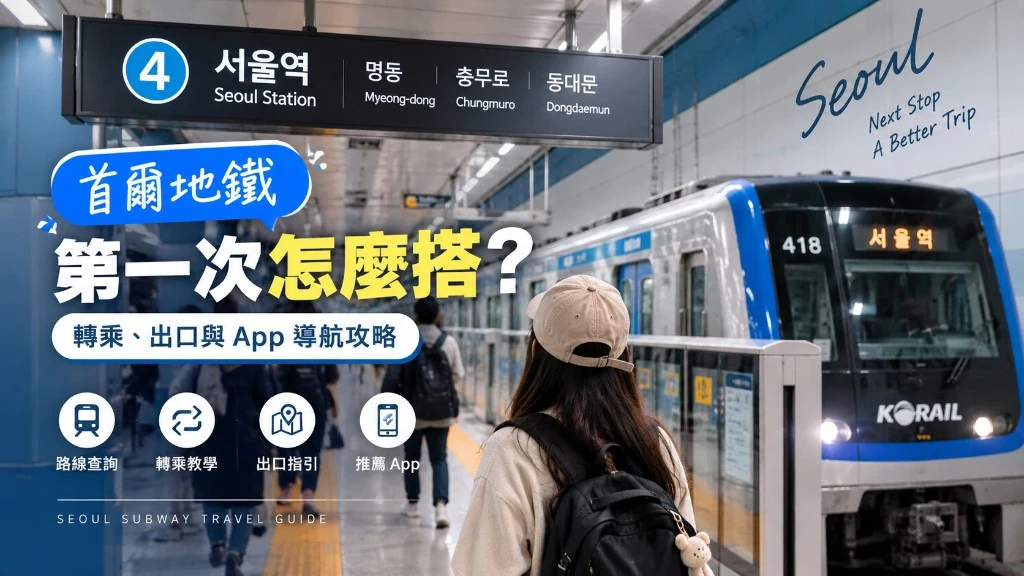

Seoul’s subway has many lines and colors—first glances at the map can feel overwhelming. The good news: signage is thorough. Follow colors, romanization, and Exit numbers, and you will usually arrive.
Below covers entering, transferring, exiting, and app use, plus links to T-money and airport transport.
Related links
- T-money guide
- Incheon Airport to Seoul
- Maps: Kakao Map / Naver Map (download from official stores)
- Korea eSIM
First ride: five steps
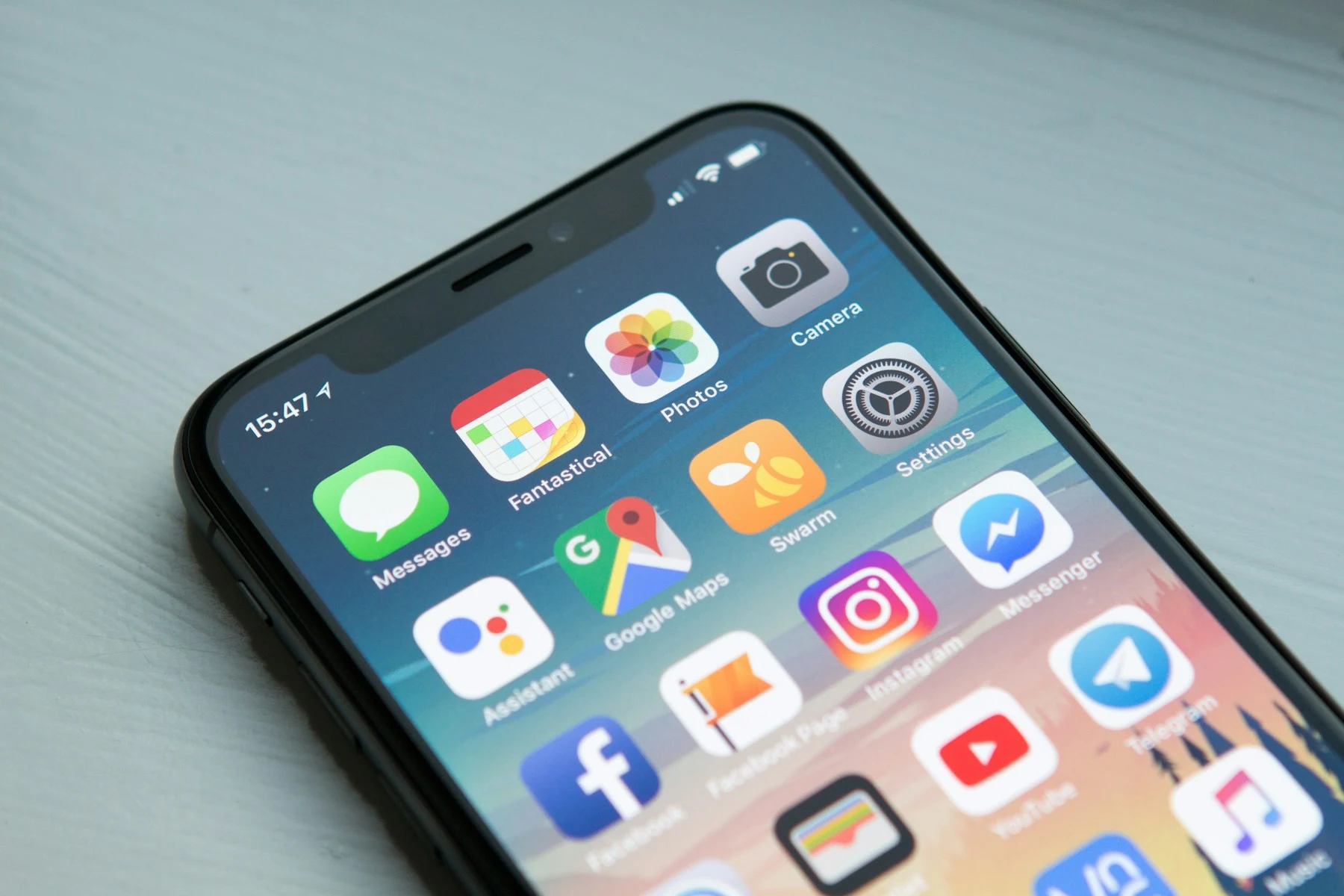
- Plan in an app: enter origin / destination; note line color, direction (terminal station), station name, and exit number
- Enter the station: follow subway signs; tap T-money at the gate
- Confirm platform direction: check terminal and next-station screens; match the color
- Transfer: follow 환승 / Transfer corridors—walking can take a few minutes
- Exit by number: reach the app’s suggested Exit before going above ground
Tickets: prefer T-money
For independent travel, use T-money: tap once in and once out; transfers stay simpler. Single-journey tickets work, but changing lines and change-making are more fiddly.
If balance is too low to exit, top up at a nearby machine or help desk, then leave.
Reading line colors and station names
- Each line has a fixed color and number (e.g. Line 2 green, Line 4 blue—confirm on local legend)
- Station names show Korean and romanization; tourist stops usually have clear English
- Direction by “toward which terminal” is more reliable than only “northbound”
Transfers and exits: the two easy mistakes
Transfers: Major hubs (Seoul Station, City Hall, Dongdaemun History & Culture Park, etc.) have long corridors—budget 5–10 minutes; follow colors and arrows; do not casually exit and re-enter.
Exits: Attractions, hotels, and malls often specify an Exit. If the app says Exit 3, find 3번. Walking the wrong exit then circling above ground is exhausting.
Recommended navigation approach
- Kakao Map / Naver Map: stronger local bus–metro integration, walking, and exit hints
- Save the hotel’s Korean name and address; screenshot offline backups
- In-car route maps help confirm the next station
Etiquette and rush hour
- Escalator habits follow on-site signs; keep phone calls quiet onboard
- Morning and evening peaks (about 7:30–9:00 and 18:00–19:30) are hard with large luggage—shift times if you can
- Priority seats are for passengers who need them
Connecting from the airport
AREX all-stop trains connect to the subway at stations such as Hongik University; Express arrives at Seoul Station for transfers. Details: Incheon → Seoul.
Three lines for Seoul Metro: T-money at the gates, color for direction, Exit for the number. Download a map app first—you can ride correctly even if you cannot pronounce Korean station names.