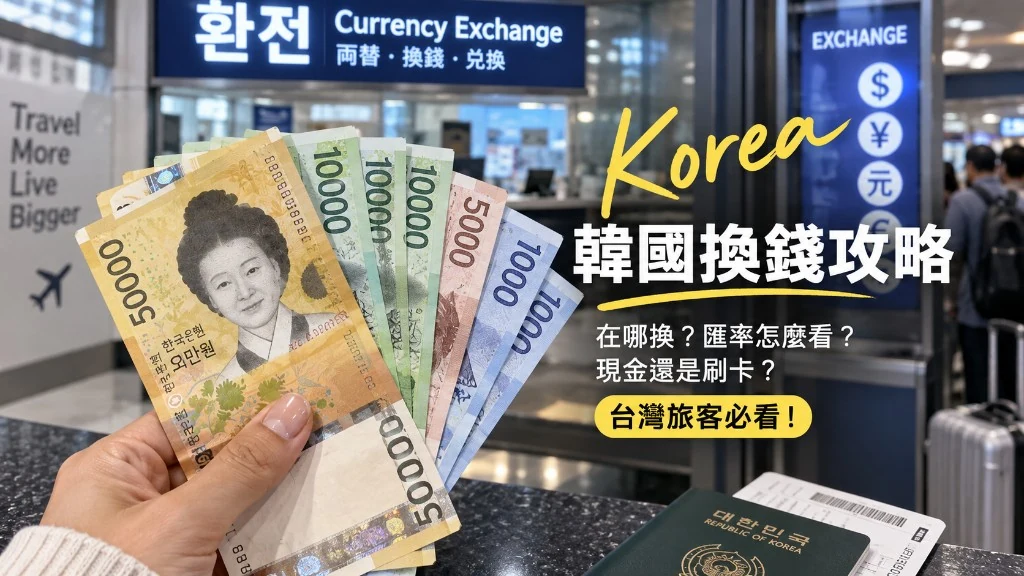

Travel guides often say “Korea is great for cards”—mostly true. Still, if you bring no Korean won at all, you can get stuck at traditional markets, transit-card top-ups, or small shops that suddenly want cash.
This guide explains how to split credit cards, T-money, and cash, plus a pre-trip checklist.
A stable money setup
- At least one (ideally two) credit cards with overseas transactions enabled
- Buy T-money and top it up with KRW cash
- Keep a small cash float (markets, small shops, backup)
- Prefer cards for big shopping / beauty / department stores (and watch tax refund)
You are set when: on day one you can buy a drink with a card, tap through a gate with T-money, and top up at a convenience store with cash.
Related links
- How to buy and top up T-money
- 2026 Korea tax refund guide
- Naver Map travel guide
- Incheon Airport to Seoul
- Korea eSIM
How the three payment types divide
| Method | Best for | Less ideal for |
|---|---|---|
| Credit card | Hotels, department stores, beauty retailers, chain restaurants, cafés | Traditional market stalls, some small eateries |
| T-money | Subway, buses, some convenience-store small purchases | Large shopping, shops with no transit-card sign |
| Cash (KRW) | Markets, top-ups, backup, occasional cash-only spots | Carrying large amounts (loss risk) |
Credit cards: when to swipe and what to watch
- Enable overseas use before departure; save your bank’s lost-card hotline.
- At checkout, follow the terminal: tap or insert; sometimes signature or PIN.
- If declined, try your second card or switch to cash—do not argue with staff about the machine.
- Watch foreign-transaction fees and FX rates; for large spends, prefer a stronger travel card.
Many Korean shops support contactless payment and feel easy to use—but “easy” is not the same as “100% card-only.”
T-money: transit workhorse, not a full wallet
See the T-money guide for the full flow. Key points:
- Buying and topping up often need cash
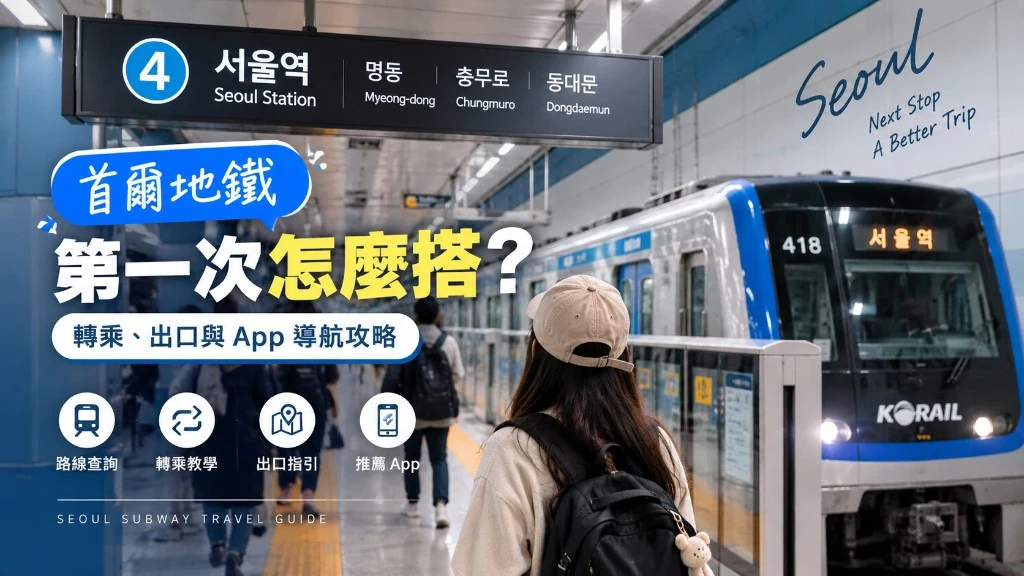
- Tap in and out at subway / bus gates
- Some convenience stores accept it as transit e-payment
Do not load your entire trip budget onto T-money; refunds have rules and take time.
Where you may still need cash
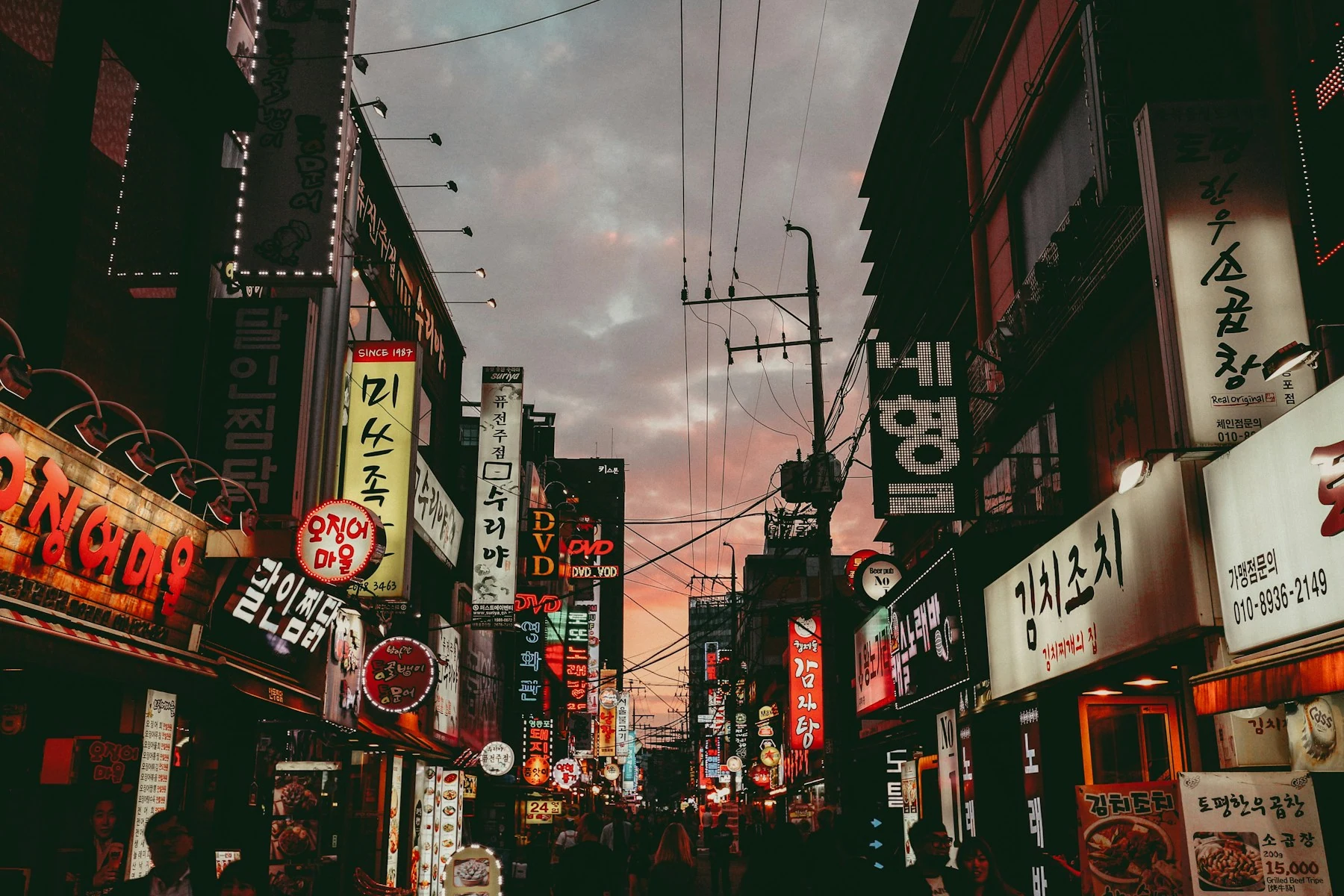
- Traditional market stalls (e.g. Gwangjang Market)
- Small eateries and street snacks
- T-money / transit-card top-ups
- Occasional cash-only shops (check counter signs)
- Backup when a card terminal fails
How much cash? Exchange and ATMs
- Short trips: keep a float for “top-up + market + backup,” use cards for the rest; top up via airport or city ATMs when short.
- ATMs: choose overseas-card machines; select KRW; decline dynamic currency conversion (issuer FX is usually better).
- Large notes can be hard to break—buy something small at a convenience store to get change.
Quick scenario cheat sheet
| Scenario | First choice | Backup |
|---|---|---|
| Subway / bus | T-money | Single-journey ticket |
| Convenience store | Card or T-money | Cash |
| Olive Young / department store | Credit card (+ tax refund) | Cash |
| Traditional market | Cash | Some stalls take cards |
| Hotel | Credit card | Cash (uncommon) |
| Taxi / Kakao T | Card or in-app pay (driver / settings) | Cash |
Pre-trip checklist
- Overseas transactions enabled on two cards
- Know you need cash for T-money top-ups
- Bank app push alerts turned on
- Tax-refund rules reviewed if you plan big shopping
Remember one line: cards for big spends, T-money for rides, cash as a floor. Korea really is card-friendly—but a little KRW prevents a lot of friction.