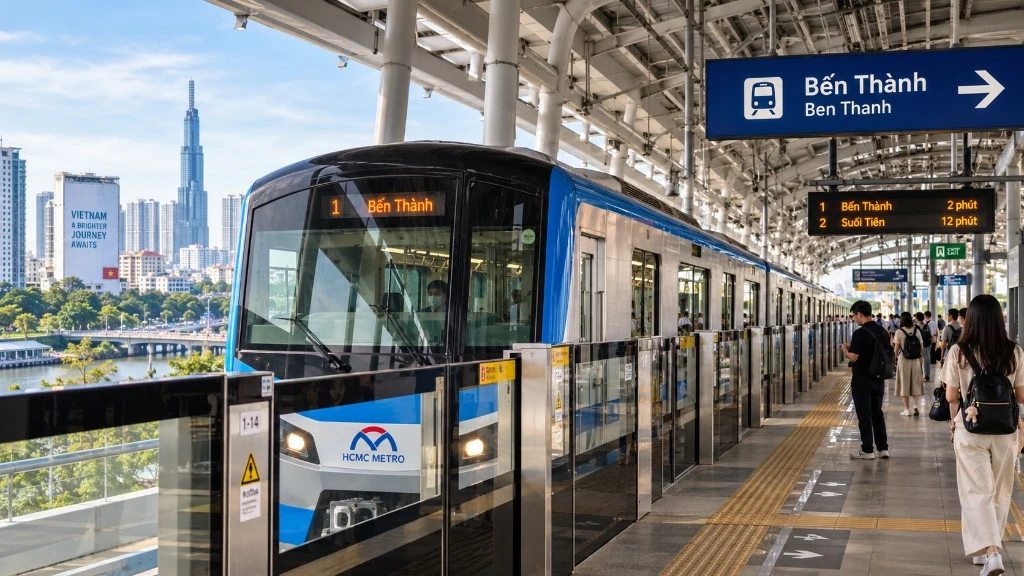

The most common Vietnam money question: how should I carry cash? A practical answer—cards for bigger spends, VND cash for daily costs, ATMs to top up; do not convert your whole trip budget into cash and stuff it in one wallet.
Hoi An alleys, Ninh Binh boat tickets, and street stalls often run smoother in cash; hotels and malls more often take cards. HCMC, Hanoi, and Da Nang follow the same logic—the share of card-friendly small shops differs by place.
Key points first
- At least one credit card with overseas transactions enabled (two is better)
- Keep some VND for street food, markets, and short cash rides
- Top up at ATMs when low; watch fees and on-screen FX prompts
- A little USD can be backup, but daily life is easier in VND
Related links
VND, USD, or TWD?
| Best for | Watch-outs | |
|---|---|---|
| Vietnamese dong (VND) | Daily life, street food, markets, cash taxis | Large denominations—count carefully |
| USD | Some exchange desks, backup | Torn / old notes can be refused |
| TWD | A few exchange counters | Not widely accepted; rates may be weak |
| Credit cards | Hotels, malls, chains | Stalls and many small shops decline cards |
Practical currency exchange
- You can change a small emergency amount at home; change most funds at licensed desks or banks in Vietnam
- When comparing rates, also ask about fees and whether damaged notes are accepted
- Count the cash at the counter—disputes are harder after you walk away
- Street shouts of “amazing rates” are a red flag; prefer shops with a real storefront
- Airport rates are usually average—change a little if urgent, then compare in town
ATM withdrawals
- Find machines that accept Visa / Mastercard and other foreign cards
- Withdraw VND
- If asked about machine currency conversion (DCC), usually choose No and let your issuer price it
- If the limit is low, split withdrawals or try another machine
Stuck: no cash dispensed → switch card or machine, confirm overseas cash withdrawals are enabled; use cards and existing cash meanwhile. Prefer busy, well-lit ATMs.
Where cards work
- Hotels, department stores, chain cafés / restaurants: often yes
- Roadside noodle shops, markets, tiny cafés, Hoi An stalls: mostly cash
- Grab: card in-app or cash
- Some shops add a “card fee”—ask before you pay
A simple mix that works
Common short-trip pattern: credit cards for the big items (hotels, malls); a few days of VND float in the wallet; ATMs when you run low. That is calmer than changing a huge pile once and worrying about theft all day.
For cash-heavy days (Hoi An, night markets), get small notes ready beforehand so you are not asking vendors to break large bills constantly.
Common situations
- Vendor will not take a large note → buy a bottle of water at a convenience store to break it
- Card declined → try a second card, or switch to cash
- Rate looks too good → clarify fees and counterfeit risk first
- Driver offers a “special rate” shop → decline; find a bank or licensed desk yourself
ATMs, maps, and Grab all need data: Vietnam eSIM.
Remember one line: cards for big spends, VND for small, ATM when low—never change everything at once.